
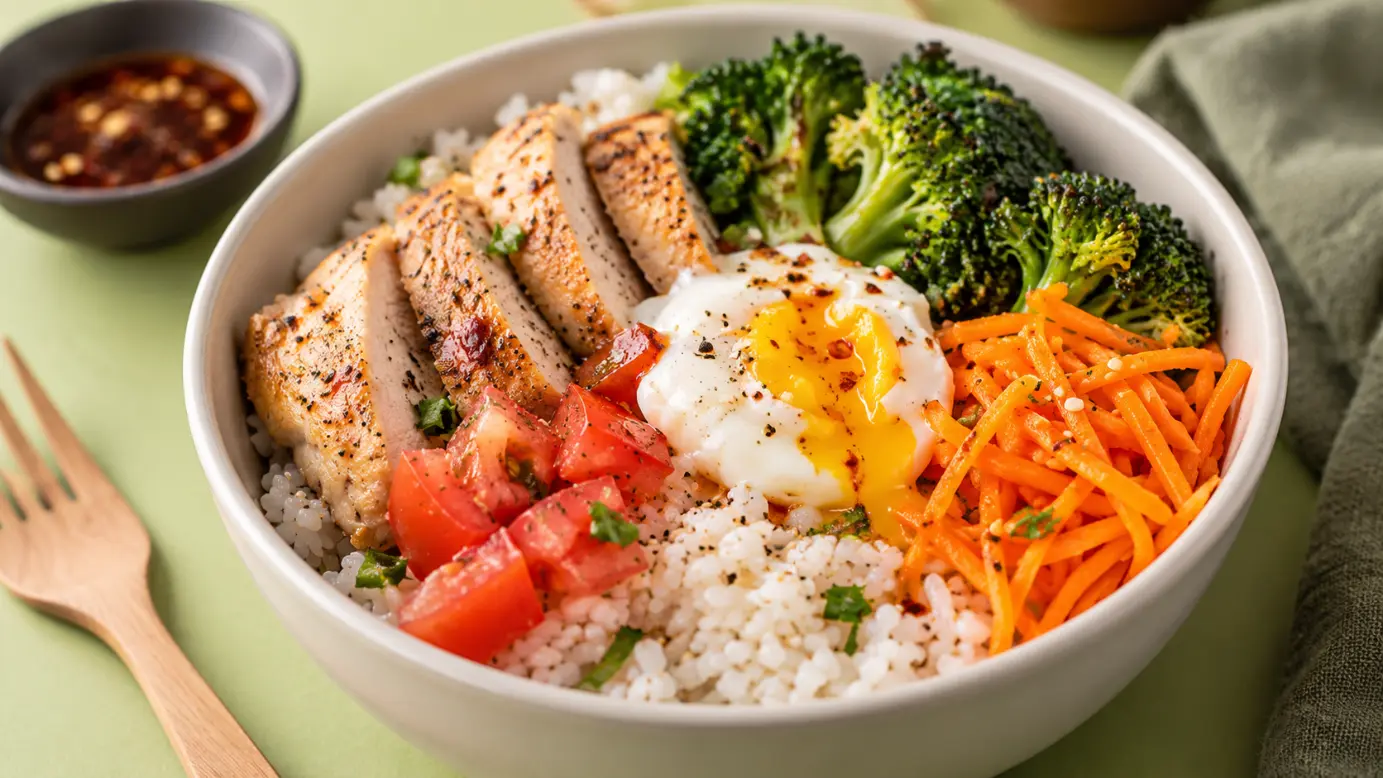
Healthy eating does not require a strict diet, expensive superfoods, or a complete kitchen makeover. Build meals around vegetables and fruit, fiber-rich carbohydrates, varied protein, healthy fats, and water, while limiting excess salt, added sugar, and highly processed foods. A simple plate guide and a few easy additions can make this practical even when you are busy or eating on a budget. The goal is a pattern that supports your health over time, not perfection at every meal.
Why Healthy Eating Should Feel Achievable
If nutrition advice online leaves you feeling that every food is either “good” or “bad,” it is worth stepping back. Health is shaped by your overall eating pattern, not by one snack, one dessert, or one meal eaten on a busy day. The World Health Organization emphasizes variety, balance, moderation, and nutrient-rich foods such as vegetables, fruit, pulses, and whole grains. That is a more useful starting point than chasing a perfect diet.
Your best eating plan is one you can realistically keep doing, shaped by culture, access to ingredients, health needs, cooking time, appetite, and budget. Rice, corn, potatoes, oats, tempeh, tofu, eggs, fish, beans, fruit, and local vegetables can all fit into a balanced pattern. Instead of replacing everything at once, improve one meal or add one helpful food.
What a Balanced Meal Actually Looks Like
A Simple Plate Guide
A practical visual guide from Harvard’s Healthy Eating Plate suggests filling about half your plate with vegetables and fruit, one quarter with whole grains, and one quarter with healthy protein. It is a flexible guide rather than a strict rule or calorie prescription. Adapt it to familiar meals by adding vegetables to rice and fish, pairing tempeh with whole grains, or including fruit at breakfast. Needs vary with age, activity, pregnancy, medical conditions, and professional advice.
Make produce visible, include a source of protein, and choose fiber-rich carbohydrates more often. Oats, brown rice, whole wheat bread, beans, lentils, tofu, tempeh, eggs, fish, poultry, nuts, and seeds provide useful nutrients and variety. Unsaturated fats from nuts, seeds, avocado, and plant oils also belong in a healthy diet, and balance across the day matters more than identical portions at every meal.
Variety, Fiber, Protein, Fats, and Drinks
Variety matters because no single fruit or vegetable supplies every nutrient your body needs. The WHO recommends at least 400 grams of fruit and vegetables per day for adults and children over age ten, while encouraging people to limit free sugars and salt. Build up gradually with a banana at breakfast, vegetables at lunch, and fruit or sliced cucumber as a snack. Fresh, frozen, and suitable canned produce can all help you add variety.
Fiber is another useful focus because it supports digestive health and can help you feel satisfied after meals. Increase fiber by choosing oats or whole grains, adding beans to soup or salad, eating whole fruit, and including vegetables at meals. Increase it gradually and drink enough fluids. If you have a digestive condition or a prescribed eating plan, ask your healthcare professional what is appropriate.
Protein helps maintain and repair body tissues, and including a protein source in meals can make them more satisfying. Try eggs with vegetables, tofu or tempeh with rice, fish with greens, beans in soup, or yogurt with fruit if dairy suits you. Rather than eliminating fat, choose nuts, seeds, fish, and unsaturated plant oils more often. Water is a good everyday drink, while sweetened drinks are worth limiting.

Healthy Eating Myths Versus Facts
Myth. Carbohydrates Are Always Bad
Carbohydrates are not one single type of food, and avoiding all of them is not necessary for most people. Fruit, beans, lentils, oats, and whole grains provide carbohydrates alongside fiber, vitamins, and minerals. Choose whole or minimally processed options more often and limit sugary drinks and foods made mostly from refined grains. If you enjoy rice, bread, potatoes, or noodles, consider the portion and what you serve with them rather than treating them as automatically unhealthy.
Myth. All Fats Should Be Avoided
Your body needs fat for normal functions, and some fats help you absorb fat-soluble vitamins. The WHO advises limiting saturated fat and avoiding industrially produced trans fats, while replacing them where possible with unsaturated fats from fish and plant oils. This does not mean adding unlimited oil or eating large amounts of high-fat foods. Choose nuts, seeds, avocado, and suitable plant oils more often while keeping portions in mind.
Myth. Detox Drinks Remove Toxins
Juice cleanses, detox teas, and restrictive detox plans are often promoted as a way to flush toxins or reset your body. The US National Center for Complementary and Integrative Health reports little compelling evidence that detox diets eliminate toxins or provide lasting weight-management benefits. Programs involving laxatives, fasting, or extreme restriction may also cause dehydration or nutrient gaps. A more dependable approach is to eat a varied diet, drink enough water, and support your body's normal functions.
Myth. Fresh Produce Is Always Better Than Frozen or Canned
Fresh produce is a great option, but it is not the only nutritious choice. Frozen vegetables and fruit are convenient, last longer, and help keep produce available when time is limited. Canned options can also work well when you choose fruit without added sugar and vegetables with little or no added salt. Choose the options that help you eat varied produce regularly and safely, with less waste.
Myth. Everyone Should Avoid Gluten
A gluten-free diet is essential for people with coeliac disease and may be appropriate for certain people with diagnosed gluten-related conditions. It is not automatically healthier for everyone, and packaged gluten-free products are not necessarily higher in fiber or more nutritious. A review published in a gastroenterology journal found limited evidence for gluten avoidance in people without a diagnosed gluten-related disorder. If wheat or gluten seems to trigger symptoms, talk with a healthcare professional before removing it completely.
Myth. Healthy Eating Means Never Enjoying Treats
A healthy pattern does not require you to give up every dessert, restaurant meal, or favorite snack. What matters more is what you eat regularly and whether your usual choices provide the nutrients you need. Making room for enjoyable foods can help healthy habits feel sustainable. You can enjoy a treat and still build most meals around vegetables, fruit, fiber-rich staples, protein, and unsaturated fats.

Easy Additions That Make Everyday Meals Healthier
Add One Fruit or Vegetable
One of the easiest changes is to add something nutritious before trying to remove a favorite food. Put spinach, tomatoes, mushrooms, or leftover vegetables into eggs or noodles, add cucumber and carrots to a sandwich, or serve fruit with breakfast. If you eat little produce now, start with one extra serving a day and repeat it until it becomes routine. Small additions are easier to maintain than changing every meal immediately.
Choose More Fiber
Make one simple swap at a time, such as choosing oats instead of a low-fiber breakfast cereal or brown rice some days instead of white rice every day. Add lentils or beans to soup, curry, or salad, and choose whole fruit more often than juice. If whole grains are unfamiliar or expensive, mix them with your usual grains and adjust gradually. The aim is to increase fiber-rich foods, not make every item whole grain.
Include Protein and Satisfying Fats
If a meal leaves you hungry soon after eating, check whether it includes a source of protein and enough overall food for your needs. Add an egg, tofu, tempeh, beans, fish, chicken, or plain yogurt depending on the meal and your preferences. Nuts, seeds, or a dressing made with a suitable plant oil can add flavor and unsaturated fats. You do not need expensive protein powders or specialty products to make an everyday meal more balanced.
Make Water the Easy Choice
Keep a reusable bottle where you work or study, serve water with meals, and carry it when travelling. If plain water feels boring, try chilled water with citrus, mint, or cucumber. Replacing one regular sugary drink with water is a useful first step. People with medical conditions that affect fluid needs should follow individualized advice.
Prepare Ahead Without Making Food Complicated
Healthy choices are easier when the ingredients are ready. Wash and cut vegetables after shopping, keep fruit visible, cook a batch of grains or beans, and prepare a few simple proteins that can be added to different meals. Frozen vegetables, canned beans, pre-washed greens, and ready-to-eat salads can save time. Check labels for added sugar, sodium, and dressing portions, since convenient foods can vary in nutritional value.
You can also use a simple meal check before you eat. Ask whether the meal includes vegetables or fruit, a filling carbohydrate, protein, and a drink without much added sugar. If something is missing, add it when practical rather than starting again. This works for packed lunches, family dinners, restaurants, and busy days.
Start With One Change Today
Healthy eating becomes easier when it fits your real life. You do not need a perfect meal plan or a list of forbidden foods to make progress, and you do not need to judge your health by one meal. Start with one manageable addition, repeat it, and build from there. If you have a chronic condition, food allergy, a history of disordered eating, or specific nutritional needs, seek personalized advice from a registered dietitian or qualified healthcare professional.
If you are in Bali and want a convenient way to put these ideas into practice, Fresh Sprouts product catalog lists fresh produce and salad options that can help make adding vegetables to lunch or dinner more practical. Use them as one part of a balanced meal, pairing produce with protein and a fiber-rich staple when needed. Check ingredients, dressing choices, and serving details to find what suits you. The best habit is one you can comfortably return to tomorrow.


